

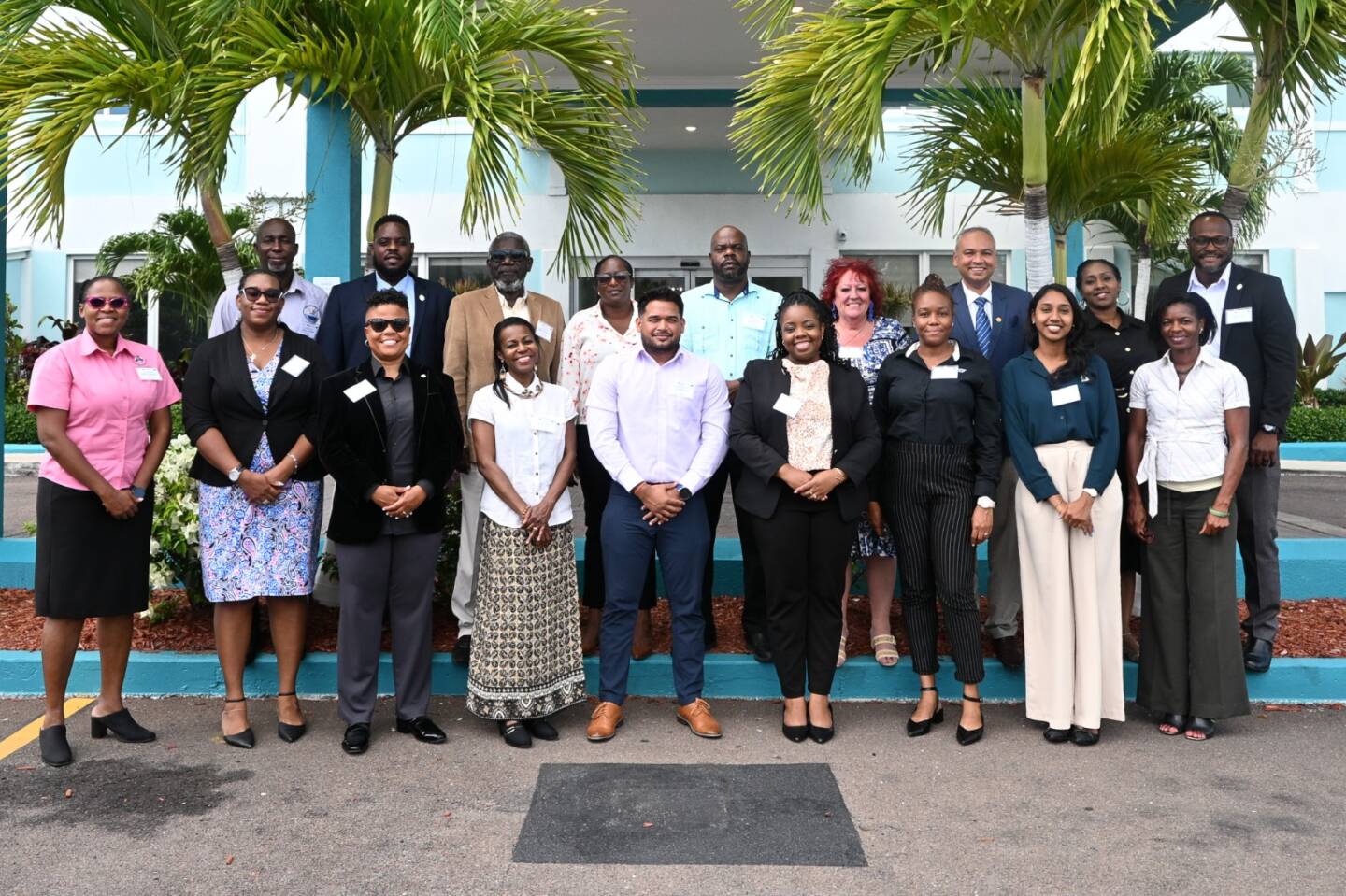










About a year and a half ago, a group of healthcare professionals, caregivers, and families who have been personally affected by dementia formed a steering committee with a shared mission: to raise awareness and improve the quality of life for people living with dementia across our tri-island state.
We are seeing the effects of this devastating condition on our patients and those in our care daily, and the challenges are many.
From those early discussions, the non-profit organisation Grenada Dementia Initiative (GDI) was born. We’ve developed research-based programmes and created a website (soon to be live) to support our mission. Our agenda is to address the needs of those living with dementia, improve their quality of life, and reduce stigma by bringing awareness of the condition through education and training across various disciplines, including schools and tertiary educational facilities. This plan is laid out in our proposal to the government, which was submitted in 2024.
Globally, dementia is a serious and growing concern. According to the World Health Organisation (WHO), in 2020, over 55 million people were living with dementia — a number expected to double every 20 years. Alzheimer’s Disease International (ADI) reports that someone develops dementia every 3 seconds. In 2015, dementia became the leading cause of death in the United Kingdom, surpassing heart disease and stroke. The emotional, psychological, and financial toll on families is enormous.
This condition is now feared more than cancer, in some places, as there is no cure or effective treatment. It causes devastation and psychological turmoil to those receiving the diagnosis, and emotional upheaval for their families. It robs people of their quality of life, and they are often reduced to a mere shadow of themselves. This is likely to happen sooner than would otherwise be the case, without proper interventions to improve the lives of those affected.
Our tri-island state is not immune to this tsunami sweeping our globe. Research shows that the number of people with this condition is growing more rapidly across low and middle-income countries, like Grenada. In 2017, the WHO set a target for 2025, whereby each UN member state would have a strategy for dementia in place (Global Action Plan on the Public Health Response to Dementia 2017-2025). However, due to the low uptake, especially across the Caribbean, this date has been pushed forward to 2030. The Caribbean countries are lagging behind, and in some cases, dementia is not yet on the agenda. But thankfully, it is not all doom and gloom. Research shows that there are interventions that may lessen the impact of this devastating life-limiting condition.
Additionally, we have partnered with the Scottish Government, through the University of Stirling in the United Kingdom, to support the development of the Dementia Centre and to develop a strategy for dementia care in Grenada. The Scottish Government is also willing for 2 members of the GDI steering committee to meet with a policymaker to discuss a tailored policy adapted to target the specific cultural, social, and emotional needs of our citizens who are living with dementia in Grenada.
Lastly, Professor Louise McCabe, of the University of Stirling, is willing to sit with our ministers here in Grenada and policymakers to begin the process of developing a Dementia Care Strategy for Grenada. The visit is planned for September 2025.
The official launch of the Grenada Dementia Initiative (GDI) is planned for 16 June 2025, in St George’s, followed by several promotional launches across Grenada, Carriacou and Petite Martinique.
In the meantime, you can get information at grenadadementiacare.com or email us at [email protected] for any inquiries or support. Together, we can make a real difference for those living with dementia and their families. We invite everyone — individuals, organisations, and communities — to join us in this journey.
Adapted from a release by the GDI Steering Committee











Am a returnee to Grenada, who lived in the UK for over 50years. I worked for over 30 years with clients that had different stages of Dementia. I have seen at first hand how our older generation have been treated once diagonised. Those working with this client group need detailed education, training and understanding in order to provide support to this group. Attitudes need to change, from the understanding and ability to recoginise the signs of onset of Dementia. It can effect the person for many years, before it reaches the full impact. Families, love ones and care givers need to know how to report their concerns at the early stage in order to receive the training needed to provide an informed action plan for the future. Understanding what to expect and how to manage is an important part of providing support to the client and their famlies or care giver and provider.I am glad that this initative is taking place for the uture care of our elderly.
Hi Rolda,
Your comments are well received.
Please get in contact with us when you are free.
473 421 7500