





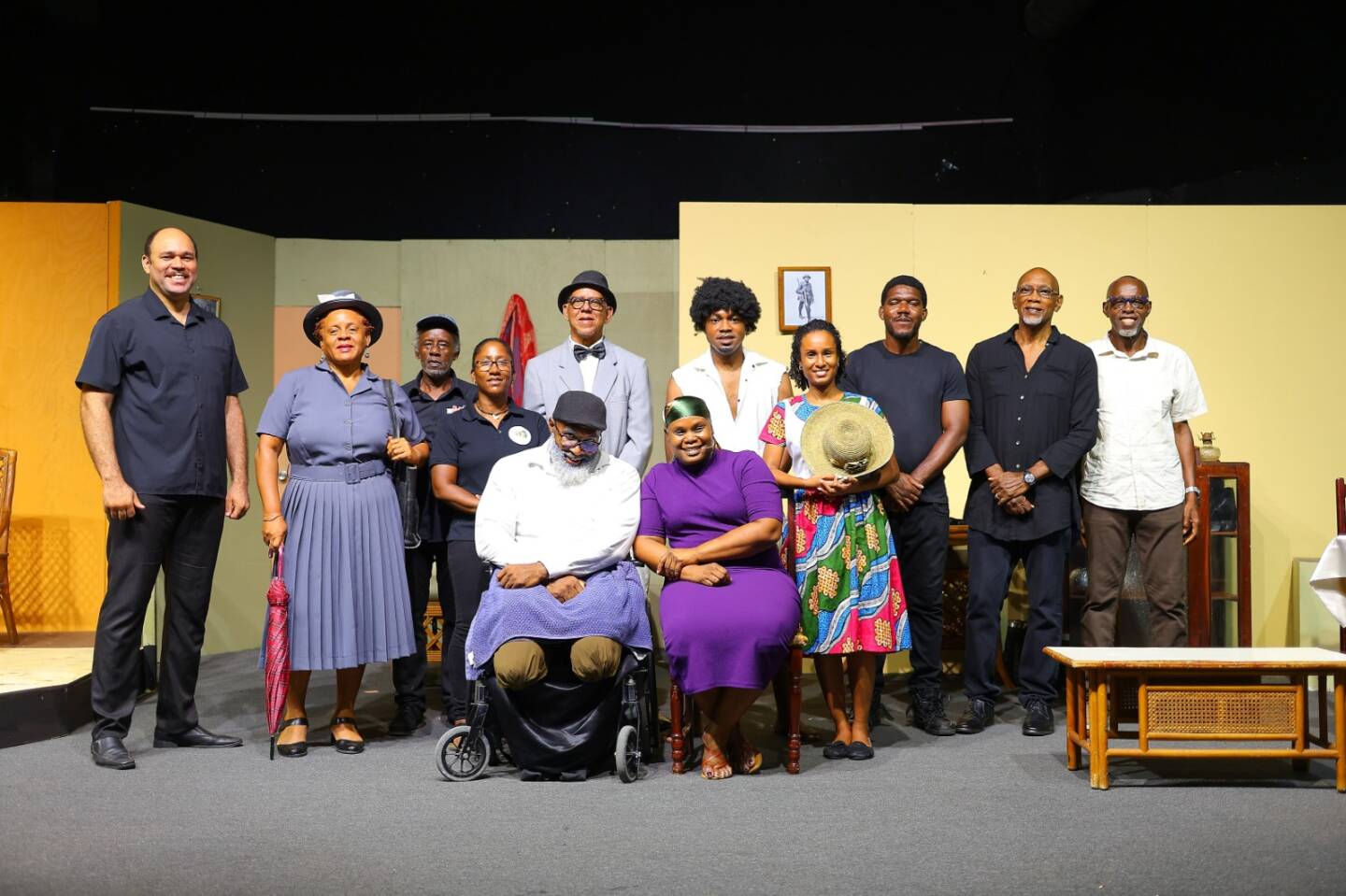





To sustainably combat the Croton pest, protect biodiversity and safeguard food security across Grenada, the Sandals Foundation has partnered with the Grenada Ministry of Agriculture and CAB International’s PlantwisePlus to implement an integrated pest management programme for farmers and technical officials to identify and manage the effects of the invasive alien species now affecting the island’s mango, soursop, sugar apple, june plum, yellow/red plums, guava, and avocado production.
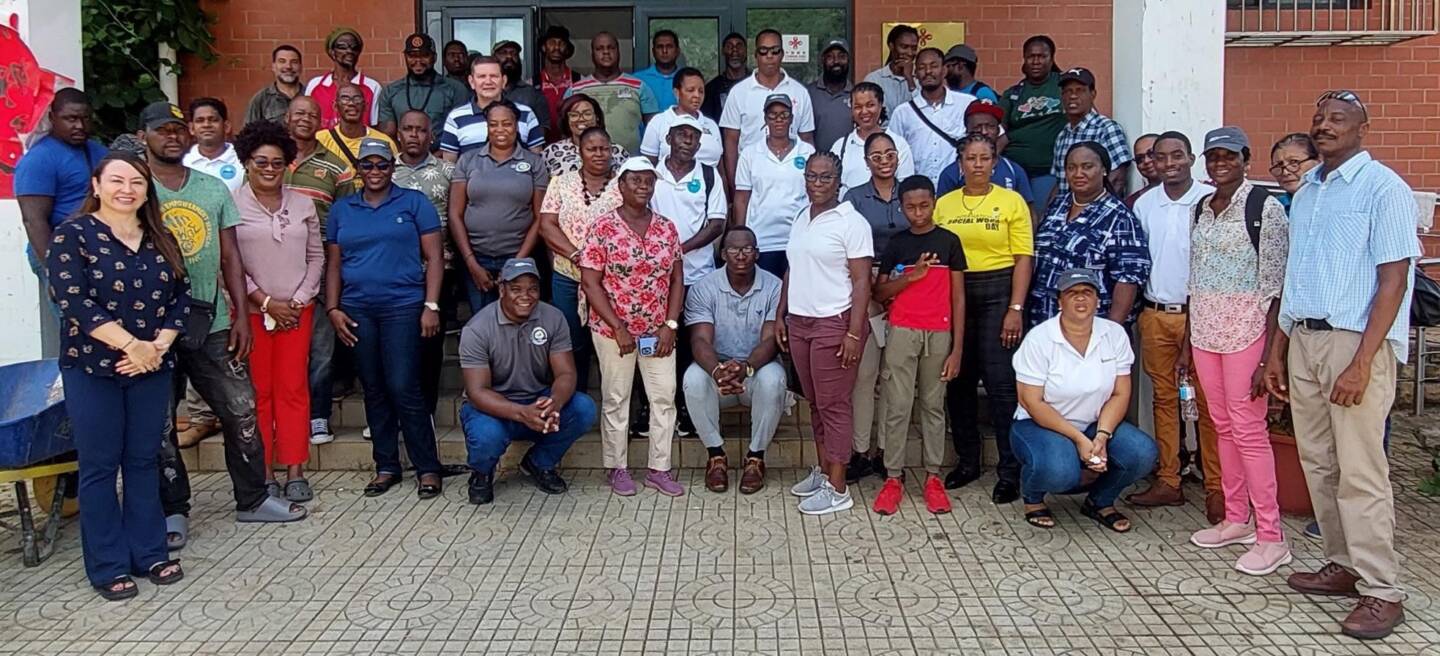
Approximately 45 farmers and 35 technicians from the Ministry of Agriculture were recently trained in a specialised session to build their capacity on the use of biological control methods for pests and diseases currently threatening the island’s crops.
The Grenada agricultural sector faces challenges due to a recent Croton Scale infestation. The CABI PlantwisePlus Integrated Pest Management programme, implemented at a value of approximately EC$100,000, aims to equip a total of 60 farmers and benefit over 1,500 community members by promoting sustainable agriculture. The programme will also develop campaigns to improve national awareness via traditional and new media.
“The Croton Scale infestation was first detected in May 2020 and was later confirmed by the Florida Department of Agriculture and Consumer Services in the USA. The initial infestation was in the La Mode, Tempe and River Road areas, in the parish of St George in the south of the island. Now it has spread to all other parishes on the mainland,” said Dr Yelitza Colmenarez, CABI Brazil-Latin America Centre Director & PlantwisePlus Regional Coordinator.
“The introduction of this invasive species into the Caribbean represents a threat to Biodiversity and Food Security,” continued Dr Colmenarez. “Economic risks include loss of agricultural production, increased production costs, and decreased flexibility in production decisions — among other potential impacts. Therefore, the use of sustainable management practices, such as biological controls is critical.”
Biological control leverages natural enemies of pests — such as predators, parasitoids, and entomopathogens — to manage pest populations without relying heavily on chemical pesticides. The method not only promotes environmental health, but also supports long-term agricultural sustainability.
The PlantwisePlus training will provide participants with a comprehensive overview of these strategies, tailored specifically to Grenada’s agricultural context. To further increase capacity, technical staff of the Ministry of Agriculture and local farmers from Grenada will then take on a “Train the Trainer” format to solidify a unified approach towards improving pest management and promoting sustainable agriculture island-wide.
Across the Caribbean, the Sandals Foundation has intensified its implementation of food security projects, investing in numerous programmes to support agricultural training institutions, primary and secondary schools, communities, and farmers’ capacity to implement climate-smart technologies and grow more of what they eat.
Heidi Clarke, Executive Director at Sandals Foundation said, “Co-funding this project with CABI means that we can continue to create opportunities for food security and safe food consumption. Together, we hope to foster a culture of sustainable farming practices that will protect Grenada’s unique fruits and vegetables for years to come.”
CABI is an international non-profit organisation that works to improve people’s lives worldwide by solving problems in agriculture and the environment. Plantwise Plus is a global programme led by CABI which aims to increase food security and improve rural livelihoods by reducing crop losses, tackling the challenges facing smallholder production through three impact pathways: Pest Preparedness, Pesticide Risk Reduction, and Farmer Advisory.
Sandals Foundation
The Ministry of Agriculture, CABI PlantwisePlus and the Sandals Foundation have partnered to implement an Integrated Pest Management training programme. Photo: Sandals Foundation