

by Linda Straker
- Guidelines will focus on identifying no-fly zones
- Drones also have significant qualitative applications in agriculture and healthcare
- Police need to be equipped with drones to fight, detect and prevent crime
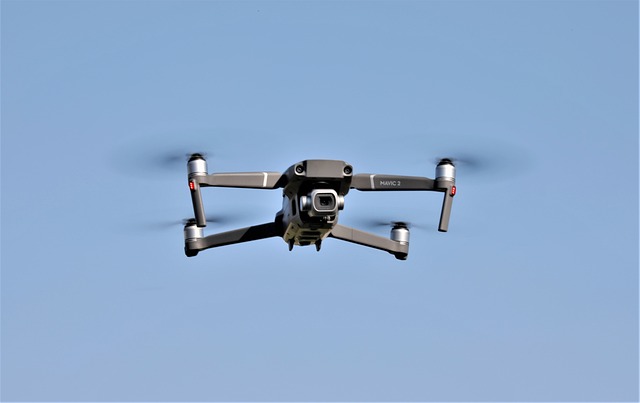
Grenada, through the Ministry of National Security, is to develop rules and policies pertaining to the use of drones. These guidelines will focus on identifying no fly zones as well as applying drone technology to assist with improving healthcare.
“Drone technology is revolutionising the world,” Dickon Mitchell, Prime Minister and Minister of National Security told the 27 August sitting of the Lower House in his contribution to the EC$269 million supplementary budget debate.
Justifying the request of EC$530,000 for the Royal Grenada Police Force (RGPF), he said, “Within the national security apparatus, we have to create the rules and policies to regulate the use of drones, and the police itself need to be equipped with drones that can allow them to fight, detect and prevent crime.”
The funding will be used to purchase law enforcement equipment to assist the RGPF with solving crimes. “Criminal investigations are prolonged due to the lack of the necessary equipment to do the automated matching of the fingerprints. Also the unlocking of phones for investigative analysis is currently outsourced in Barbados,” said the supplementary budget explanatory notes.
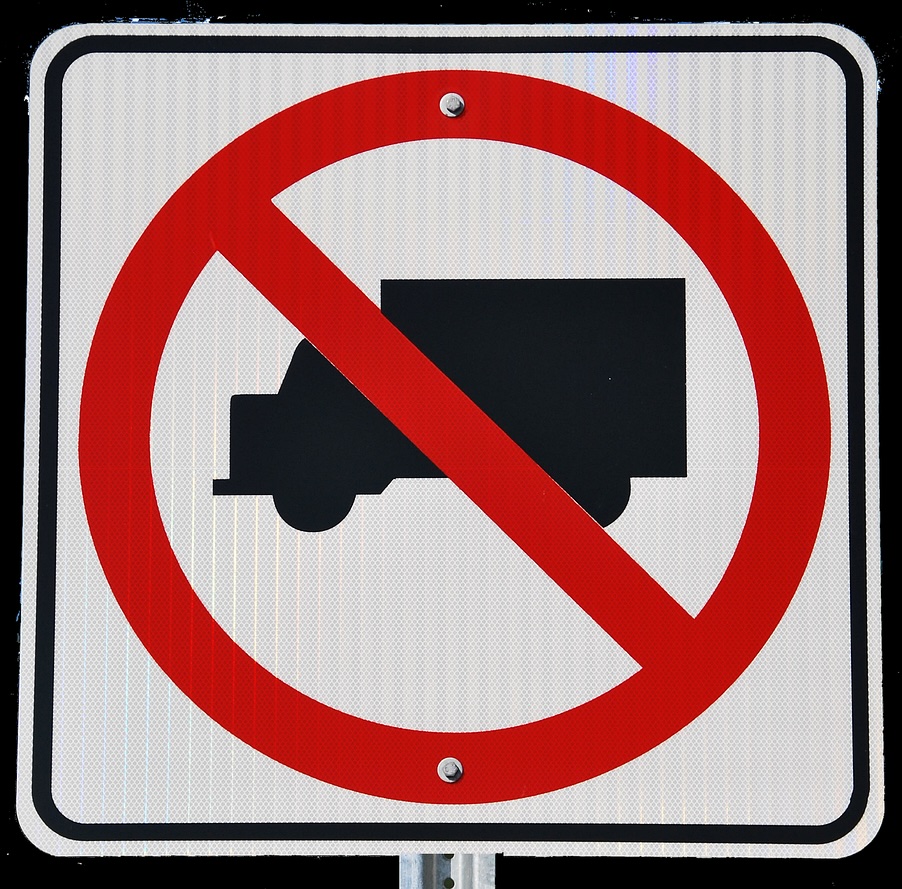
“We need to ensure that we can buy the necessary drones to strengthen law enforcement’s ability to treat this issue,” said the Prime Minister. He also explained that drone technology can be used to destroy lives as well as to save lives, and, highlighting some of the negative things that bad actors can use for drones, he said that drones can be used to drop off drugs and guns. “We have to create some no-fly zones; we have to create the areas that are safe,” he said.
Pointing out some of the positives of drone technology, he said, “Drones also have significant qualitative applications like in agriculture for example, in healthcare — the ability to drop medicine and so on to people in remote areas.” The Prime Minister said that in the aftermath of Hurricane Beryl, drone technology could have assisted in providing medicine to the people of Carriacou and Petite Martinique. “If we had significant drones on the island, we would have been able to drop medicine, etc., to people in Carriacou and Petite Martinique, notwithstanding the challenges of having physical infrastructure.”